Article
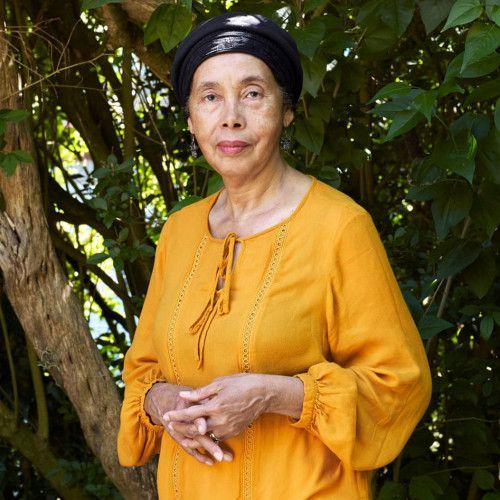
Grace Nichols early life in guyana
Grace Nichols was born in 1950 in Georgetown. She spent part of her childhood in a small coastal village before her family moved to the city.
Before coming to Britain, she trained in communications and worked as a teacher and journalist, including work in Guyana’s government information services. Those early experiences helped shape her attention to everyday detail: speech patterns, food, weather, and the way political change reaches into ordinary lives.
Grace Nichols’s Sussex story also includes her husband, the poet John Agard. They moved to Britain in 1977 and have made their home in Lewes for many years. They are often described as a poet couple, with shared Guyanese roots and a shared interest in language, identity and belonging, while writing in very different styles. If you want to read more about Agard’s work and local links, see our separate profile on him.
Lewes, Brighton and belonging
Nichols has long been based in Lewes. In an interview profile, she describes the town as somewhere that “kinda chose us”, and speaks warmly about its community life, independent bookshops, and the presence of other writers and artists.
The Sussex coast also matters in her working life. She has spoken of walking on Brighton beach, especially when the weather turns rough. For a poet who grew up with the Atlantic close by, the shoreline in Sussex can hold more than scenery. It can become a point where memory and present‑day life meet.
Her link to Brighton is also practical and recorded. The Children’s Poetry Archive notes that she was recorded at Pier Productions in Brighton on 12 October 2009. It also lists a later recording session made in Lewes in March 2019.
Poetry that centres Caribbean women
Nichols gained wide attention with I is a Long‑Memoried Woman (1983), a collection that speaks through the voices of enslaved women and shows how history can live on through the body and memory. It won the Commonwealth Poetry Prize.
Soon after, The Fat Black Woman’s Poems (1984) used humour, confidence and everyday detail to challenge racism and sexism in British life.
Across her writing for adults and children, Nichols often mixes Caribbean speech rhythms with Standard English. Food, storms, rivers, skin, hair and the sea return again and again, not as decoration, but as part of how a life is carried across distance.
When the weather turns, memory answers back
Her poem Hurricane Hits England was prompted by the Great Storm of October 1987. In an interview, Nichols said the storm made a “psychic impression” on her, and that it brought a powerful feeling of closeness to the English landscape, as if “the earth was one”. The poem imagines Caribbean gods arriving with the wind, and captures a moment where fear, awe and belonging arrive together.
A Sussex book that still looks back across the Atlantic
Her collection Passport to Here and There (Bloodaxe, 2020) moves between coastal memories of Guyana and present‑day life in Britain, including her “adoptive Sussex landscape”. It returns to a key question in her work: how you live with more than one home inside you.
Why Grace Nichols matters here
Echoes of Brighton’s Past often shows how Black and Caribbean lives have shaped the South Coast through work, family, culture and public life. Nichols adds a literary presence to that same local picture: a Guyanese woman living near Brighton, writing from Sussex, and making space for Caribbean women’s histories within British poetry.
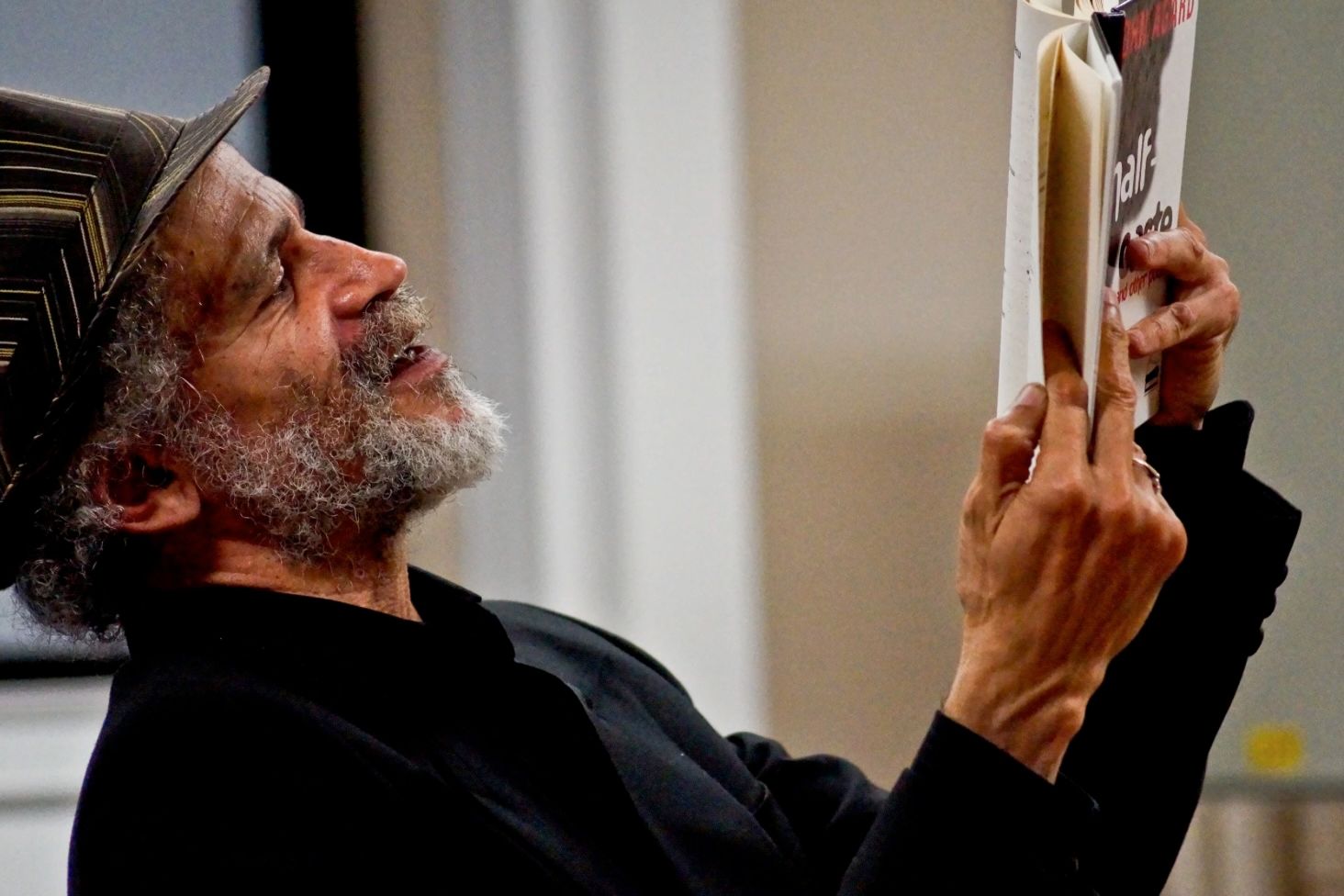
Title image credit The Children's bookshow
Related Articles
Related Articles